
11 September 2026 | By Molly Lipson
Manuela Romero Samacá is a casting director and filmmaker based in Brooklyn. She recently worked on Daddy’s Little Meatball by Yael Grunseit, which screened at Tribeca, Palm Springs ShortFest and Melbourne International Film Festival among others. Other projects she’s worked on have screened at Austin Film Festival, Maryland Film Festival, Santa Barbara International Film Festival, and Flickerfest. The majority of her work is about international or POC stories requiring ensemble casts.
Here, she debunks some myths about casting for shorts and shares her thoughts on collaboration, diversity in casting and her hopes for the future.
Short Stuff: What are the similarities and differences between casting for shorts versus features?
Manuela Romero: The process and administrative side of the role is quite similar for features and short films: putting out casting calls, creating lists of talent that might fit the bill, scheduling auditions, and making sure everyone is giving the material their best shot. The biggest difference is budget. Short films are usually so strapped for resources that teams have to come up with alternative solutions to the problems that having more money can usually solve. For casting, this means being able to find talent in unexpected places or finding people that are often overlooked.
What do you wish directors of shorts better understood about the casting process?
Having such tight budgets and resources is tough, but it also means that there aren’t many stakeholders holding their opinions or taste over the choices you’d like to make. There’s a lot of creative freedom in not being tied through money to someone else’s casting requests. Take full advantage of your circumstances!
Also, I’d say allow yourself space to evolve and change course as needed – a process of discovery rather than delivery. There’s nothing as informative as realising that the assumption you made about a character was incorrect. More often than not, we will reduce a character to a particular quality that feels essential, like being sensitive or stubborn, and then see an actor with the opposite quality and realise that the more interesting choice exists in an in-between or when both things co-exist.
Are there any major myths or rumours about casting for shorts that you want to set straight?
An actor with a bigger name or credits won’t necessarily make your film better. Spending large amounts of budget to get a big name in a production can often be a misallocation of resources, especially if it means other departments’ budgets are confined even more to leave enough money for a bigger name actor.
Also, your casting director isn’t in charge of casting the background actors in your films! In the industry at large there are specialised background casting directors responsible for this, and they’re incredible at what they do. Often, because the scope of a short is a bit smaller, production makes the assumption that it is also your responsibility to cast supporting actors.
How would you recommend navigating this on a short film production?
Have a conversation with your casting director early on in pre-production. If you feel like you’d benefit from their help with background characters, let them know in advance and see if their bandwidth allows them to take on that additional task.

Still from Daddy’s Little Meatball dir. Yael Grunseit
You have a great track record of working with the same director and production companies multiple times. How do those relationships develop and change over time, and how does this affect the casting process?
Yes, so I’ve worked with director Yael Grunseit three or four times, and I’m currently on my seventh project with Scratch Off Productions. In terms of process, filtering candidates becomes more refined with every project. I understand the director’s taste better and feel more confident about what they’ll like and what they won’t. My lists aren’t as long, and I feel like our audition processes end up being more focused. We also tend to try more new ideas for the casting process. The comfort with one another opens the possibility for more risk taking and new ways of engaging with the process.
You’ve worked on a few multilingual projects – what are you looking for in cast when considering these roles, especially if you don't yourself speak the other language?
I focus on the eyes and on pacing. Being grounded while listening or observing is a huge component of film acting, so even where I don’t speak the language, I’m getting a sense of how present a performer is through their moments of silence. In terms of pacing, it helps demonstrate the kinds of choices a performer makes. When they feel like they need to deliver a line quickly or slowly, it tells me what they think is important and truthful about the dialogue. Pacing is more intuitive and dependent on the performer and their perspective, but it is something you can understand regardless of the language they speak.
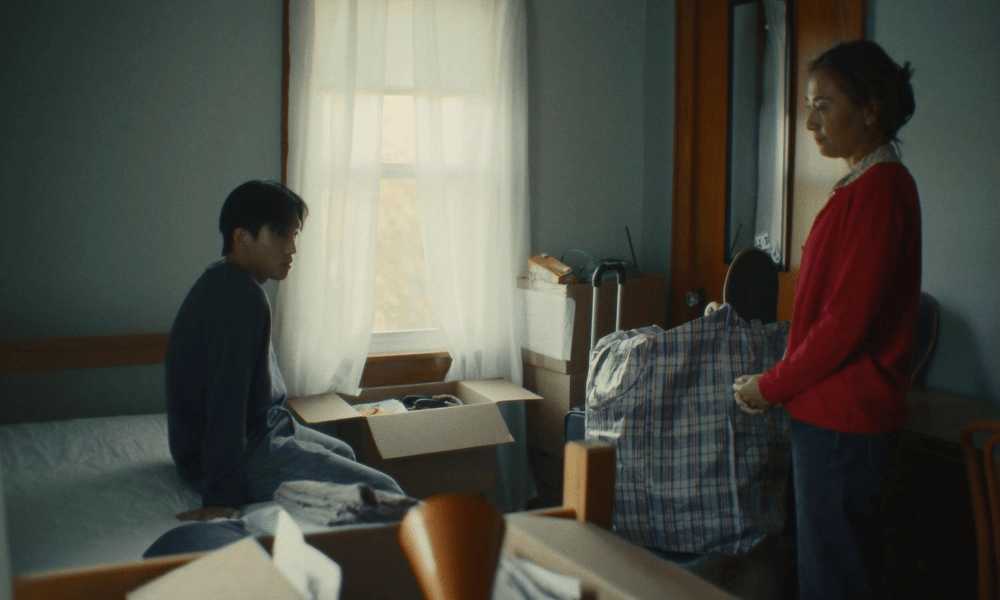
Still from Safe in My Skin dir. Dylan Rizzo
What are your hopes for films you work on?
I hope the films reach the people they need to reach and that it happens through the channel that best aligns with each project, be that festivals, self-distribution or local events. Knowing how an audience reacts to the work is the final step in the filmmaking process and that experience greatly informs future collaborations and choices.
What are your aspirations for your future as a casting director?
So far, the majority of films I’ve casted for have been stories about multicultural or POC experiences. I’ve learned a lot through casting identities different from my own, and through working with directors that value telling those stories, and I want to continue doing this. These experiences have helped me find so many incredible actors from around the world, and I’m learning even more about how casting can elevate a story. This is most evident through performance; an actor who carries depth can suddenly add so many more layers to a classic coming-of-age or father-daughter story. It has also been great to reinforce my belief that you don’t need a big-name actor to make your film stand out. The most emotionally resonant shorts have been introducing me to so many new actors and non-actors committed to the stories and worlds their characters are in. Usually, the films that are most captivating and undeniably special are projects in which each choice or department is elevating the original idea.