
Rina Lipa on her debut short, ‘Weight of Ribbons’
23 Feb 2026 | Molly Lipson
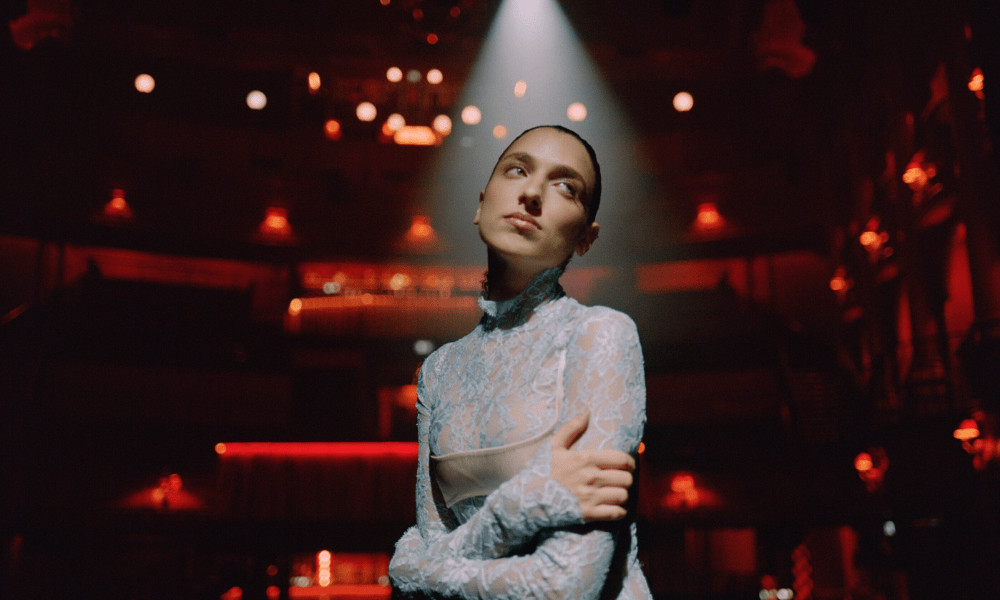
Rina Lipa’s debut short film Weight of Ribbons is a gorgeously moody, beautifully shot character study based – loosely – on Lipa’s own experience of falling out of love with ballet. Weight of Ribbons has the feel of a fashion shoot, textured like an oil painting. Lipa wrote and stars in the film, in which a ballerina fluctuates between perfect poise and a sense of fracture as she trains and performs. It is the first of many more projects to come from this thoughtful, artistic filmmaker.
Here, we speak to Lipa about the inspiration behind the story, people’s responses since the film’s online release a few weeks ago and how she managed to combine multiple passions into this one project.
Short Stuff: What made you want to make your own film, and where did this particular idea come from?
Rina Lipa: I’ve always been into drama and theatre – I was a dramatic child! I wanted to create something to push myself out of my comfort zone and do something new. With this film, I wanted to take on my own words and blur that line between writer and performer. I used to do ballet – I was always ‘Rina the Ballerina’ – and although I was pretty small growing up, I was on point shoes at eleven-years-old and often up against older girls because of my level. It was quite an insane, weird environment to be in and I kind of fell out of love with ballet because of that. The story in Weight of Ribbons is dramatised and exaggerated for film, but it comes from my own story.
SS: Was it difficult doing ballet again for this role?
RL: At one point in rehearsals, when I was working with the choreographer, I was like, oh, God, I don't know if I've got this in me anymore! There was a bit of self doubt going on, a few moments where I was like, what, what have we done? But I feel like it came back to me really naturally and I was excited by that. But yes, the fear was kind of the first emotion.
SS: Did you always want to write this for yourself to perform?
RL: I did write it for myself – I didn't want to have to tell somebody how it felt. The lines were blurred a little because a lot of the prep for a character was really done long before filming; I myself knew her. Also, I wanted to try and see if I could take the process to the very end, to write it and actually make it.
SS: And you did! How did you find your crew?
RL: I was introduced to my producer Kinzy Diab through a friend of a friend, and she was working with my director Louis Melvyn at the time and brought him on board. We all met and chatted about the project and bonded over our love for cinema. They just understood the vision I wanted. We think of ballet as super clinical and traditional, maybe with pinks and things, and I really wanted to contrast that with the colours that we choose. That's why Louis also came in – he wanted to use dark reds and blues and yellows, because you don't expect that in ballet, traditionally. My DOP Joseph [Dunn] was also amazing. He was so particular, and he really knew what he wanted out of the scenes.
SS: Did you enjoy the process of making the film?
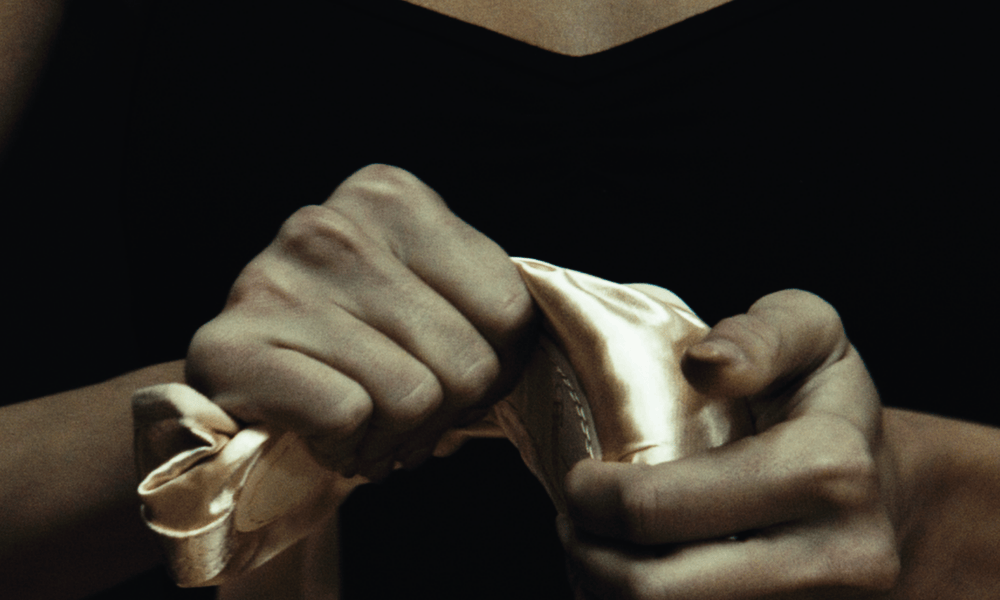
RL: I really loved making it. I was like, this is exactly what I want to do, and this is exactly where I want to be, and this is how I want things to happen. And because we were such a small crew we all became really friendly and close. There were definitely moments where I was like, I do not see the vision right now. But I was so happy to just try it, and in the end, often those were the shots that worked out best. On the flip side there are other moments that came out exactly as I’d envisioned them! One of my favourite parts is the match cut between my ballerina feet all bruised and the clean, polished ballet slippers. I knew exactly how I wanted it to look, so when we were doing it I knew it was perfect.
SS: How involved were you with directing, visual style and post-production?
RL: I worked really closely with my director, he totally understood that this was my story, which was nice, but it was important for me to have someone else directing it because I was going to be in front of the camera. But that was really useful for the editing process because I could remember a take where maybe I wobbled or something, and wanted to see how that would look. Because I was so focused on being in it I could remember doing this or that with my body, so I could bring that to the edit.
SS: How have people reacted to it so far?
RL: A lot of people who’ve read or seen it have said that they resonate with it because they thought, for example, football was going to be their life, or they thought they would be a painter. Whatever it was, they made that their identity. For me it was ballet – you attach yourself to it completely, and then you fall out of love with it. It’s all about growing and learning that changing is all right, and everyone has gone through that because change is inevitable. People who know me knew where the story would go, but I don’t think they necessarily knew all the themes it would touch on in terms of hitting those heavier topics of growing up and changing identities. I also think people didn't expect it to have this fashion-y type feel to it. I love fashion, I work in fashion, and I wanted to merge those things in with this project. It felt perfect because it’s this one internal monologue, so it’s important that visually it's stimulating, and that visually it provides what, maybe, a conversation can't. But that’s what I loved about it so much, being able to merge all the things that I love to do in one project.
SS: Why did you decide to self-release this rather than do festivals or find a short film platform for it?
RL: We tried to get it on another platform, and it didn't fit with their programme at the time. In terms of festivals, I thought about it but there’s such a long festival cycle where you might miss the entry point or deadline. You want to put it out into the world, because you're proud of it, and you're excited, then all of a sudden, you have to wait a year, or whatever it might be. Because it wasn't planned from the get-go for it to join some sort of festival cycle, we just decided to get it out there ourselves.
SS: Great choice! The festival cycle is really tricky and getting your work out there yourself is definitely something more and more people seem to be doing. Any favourite moments or lines from the film you can share?
RL: Yes, so many! Ok, let me pick just a few. One is: “It hurts in a quiet way, falling out with the thing that shaped you.” I love that because it’s such a lonely thing, so isolating, and it really feels very intimate, a sort of solo mission. Another one I love is: “When the hole is healed, will it make me whole again?” We always think a piece of us is left behind, but there’s always healing that comes after. There’s always positive change, you will become a whole person again. You’re not losing much of yourself because you’ll gain it somewhere else.
SS: And finally, will we be seeing more Rina Lipa originals soon, are you working on anything else at the moment?
RL: Yes! I’m writing a longer short, not a feature yet – I want to keep making things and work my way up.
You can watch Weight of Ribbons below.