
Jessie Buckley’s award-winning season was written in the stars of her short film performances
3 March 2026 | Barney Nuttall
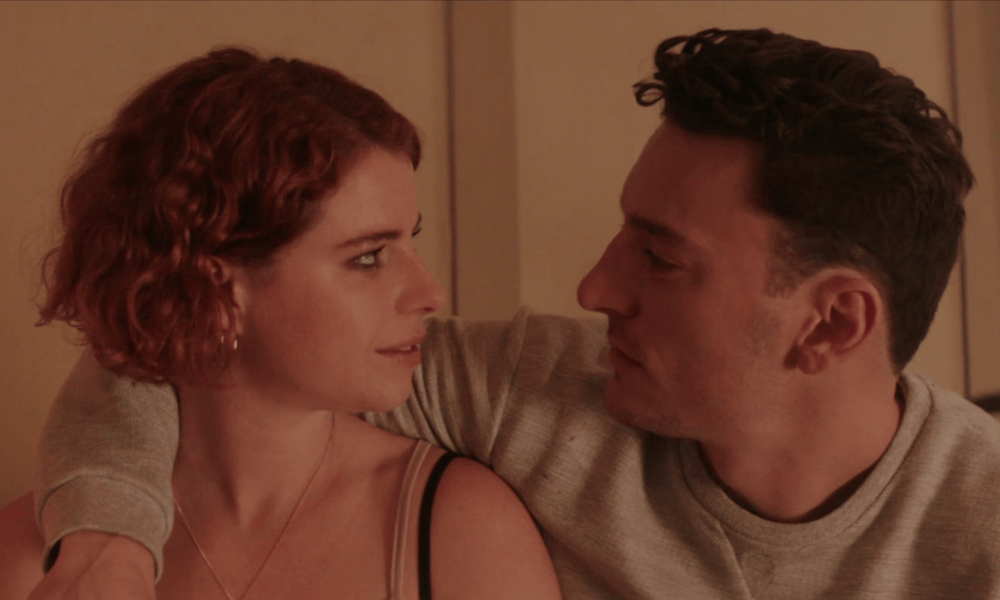
Any bookie worth their salt should expect a wave of bets put on Irish actor Jessie Buckley winning big this month. The veteran emotion-weaver has already won a Golden Globe, an Actor Award and a BAFTA for best actress, and she’ll likely waltz home with the Oscar too for her piercing performance as herbalist Agnes in Chloé Zhao’s Hamnet.
Adorned with laurels, Zhao’s film is being heralded as a catalyst for a seismic shift in Buckley’s career, one which has been long-gestating. Much has been made of the County Kerry star’s humble beginnings at RADA and on UK Talent Show I’d Do Anything, an X-Factor style search for the new Nancy in the West End’s Oliver!, which left Buckley feeling “brutalised”.
But a string of short film appearances by the premier actor best evidence her raw, natural talent, whether in realist chamber pieces or larger budget historical romances.
Following in the footsteps of her harpist mother, Buckley started her career on stage, before taking bit parts in TV roles on shows like Endeavour and Doctor Who, familiar foundations to many a jobbing thespian. Alongside this, Buckley took a role in the short film Join My Band (Naomi Wright, 2011), a pocket-sized rom-com where Buckley rocks a Vivienne Westwood-cum-Mad Max outfit and demonstrates her vocal prowess as punk-rocker Stella, making an inheritance out of her mum’s musical know-how.
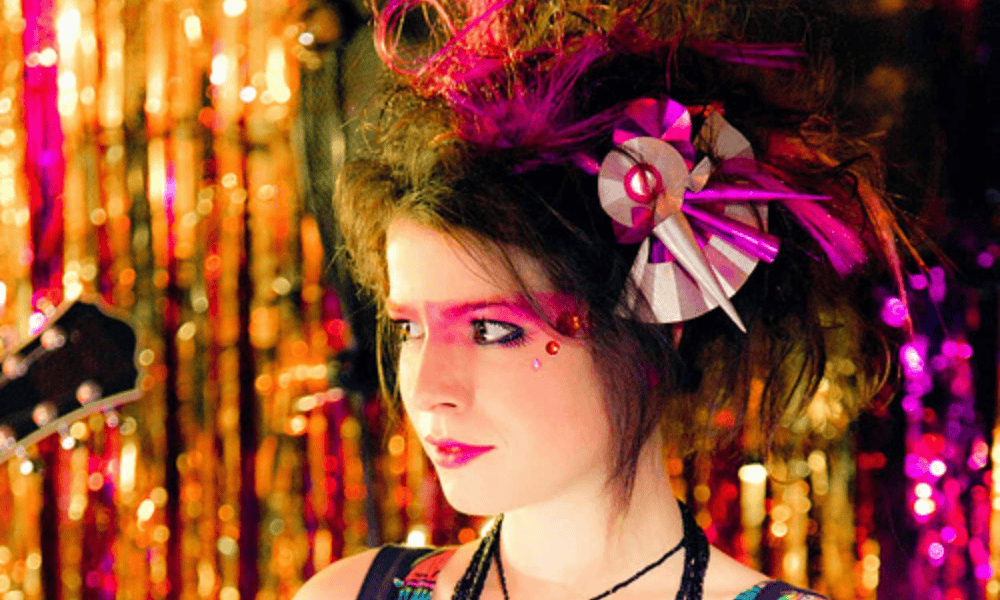
Jessie Buckley in Join My Band
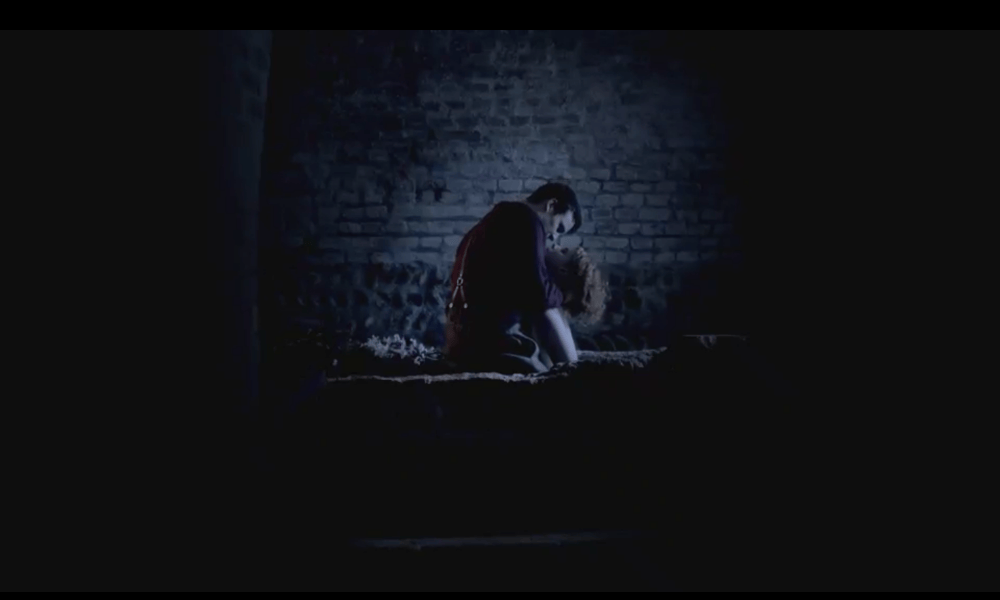
Like music, Shakespeare has always been an integral part of Buckley’s craft. Having acted in productions of The Tempest, Henry V, and The Winter’s Tale on stage, 2016 saw the opportunity for Buckley to strut her iambic pentameter on screen in The Complete Walk: Romeo & Juliet (Dominic Dromgoole). One of 37 short films commissioned by The Globe commemorating 400 years since the Bard’s death, each short was filmed in the real location of each iconic Shakespearean scene. Buckley is handed the heavy mantle of Juliet discovering the tragic death of her star-crossed lover in the real Juliet’s Tomb in Verona. Starring opposite another star-of-the-moment, Bridgerton’s Luke Thompson, Buckley navigates Shakespeare’s verse with ease, complementing his rich poetics with a raw performance later expanded upon in Hamnet.
This affinity with an antiquated tone is present in much of Buckley’s period work, from early stints in TV series War and Peace (2016) and Taboo (Tom Hardy, Chips Hardy, Steven Knight, 2017) to voiceover work for a podcast adaptation of Dickens’s David Copperfield in 2023. The Napoleonic-set short A Battle in Waterloo (Emma Moffat, 2019) provides Buckley with a dearth of heritage costumes and props to play with, yet her performance is never overshadowed by visual fancies, instead always anchored in an elegantly and deftly applied humanism.
This ability to naturally encompass a diverse array of feelings comes to the fore in Red Light (Joe Marcantonio, 2017), where Buckley laces manipulated sex-worker Kelly’s confident exterior with unconscious panic, later manifesting in a denial-rich heart-to-heart with kindly client Ben (Martin McCann). There’s nowhere to hide in this crimson-lit chamber piece, yet Buckley excels in the tight confines of this minute social drama, an ideal warm up for her work in her lead feature debut, Beast (Michael Pearce, 2017), and even in introspective later works such as The Lost Daughter and Women Talking, both of which explore female oppression and motherhood.
While these weighty themes remain integral to Buckley’s career, she isn’t one to sniff her nose at flashier genre pieces. A murderous role in Fargo (Noah Hawley, 2020) and a surreal turn in I’m Thinking of Ending Things (2020) – her collaboration with Charlie Kaufman continuing with last year’s short How To Shoot a Ghost – were prefigured by Aurora Fearnley’s sci-fi thriller Pulsar (2018), where Buckley cut her genre-based teeth, in a supporting role as fierce crewmate of a doomed spaceship, Cassa. Although her screentime is limited, Buckley fills the humble, greeble-decorated setting with ferocity, helping to sell the high-stakes/concept premise.
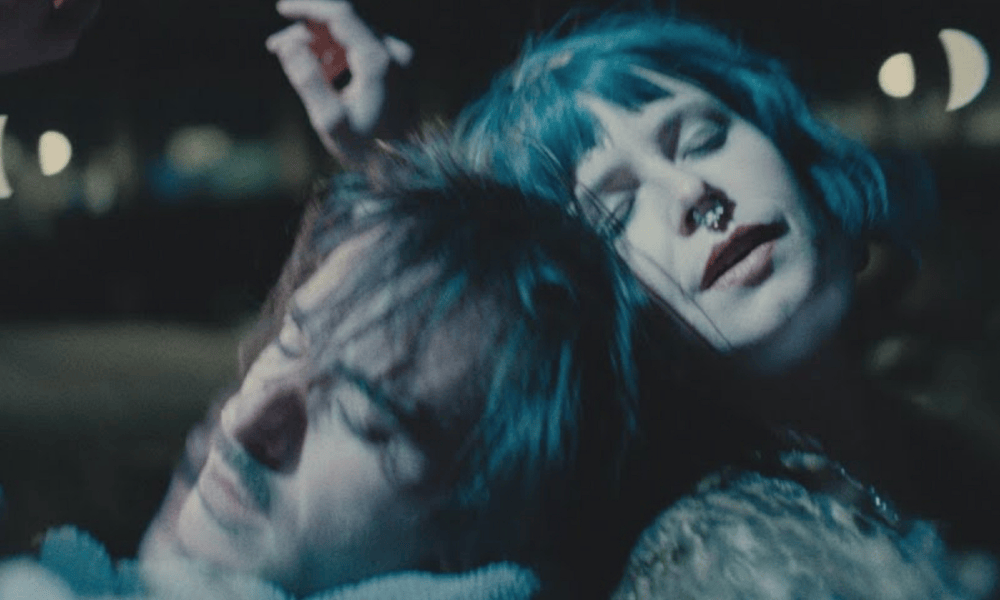
Josef Akiki and Jessie Buckley in How to Shoot a Ghost
Buckley maintains a firm hand on intensity throughout all of her short work, a lot of which took place earlier on in her career. However, Buckley isn’t one to sniff at the short stuff, instead putting everything into every role. When she broke into the mainstream cultural consciousness after her performance in künstlerroman Wild Rose (Tom Harper, 2018), she was still on the bitesize beat, even while strutting the stage at Glastonbury Festival.
While Glasto would be the highlight of many artists’ career, for Buckley it’s one of many accolades achieved as if an inevitability. They say you’ve either got it or you don’t, and as her shorts prove, Buckley has buckets of it. While shorter forms are typically training ground for up-and-coming actors, in Buckley’s case they are simply another stage for her to present her precisely honed craft. When she more than likely cradles the revered statuette this March, it will serve as recognition long overdue for a generational talent.