
23 Nov 2026 | Matt Chandler
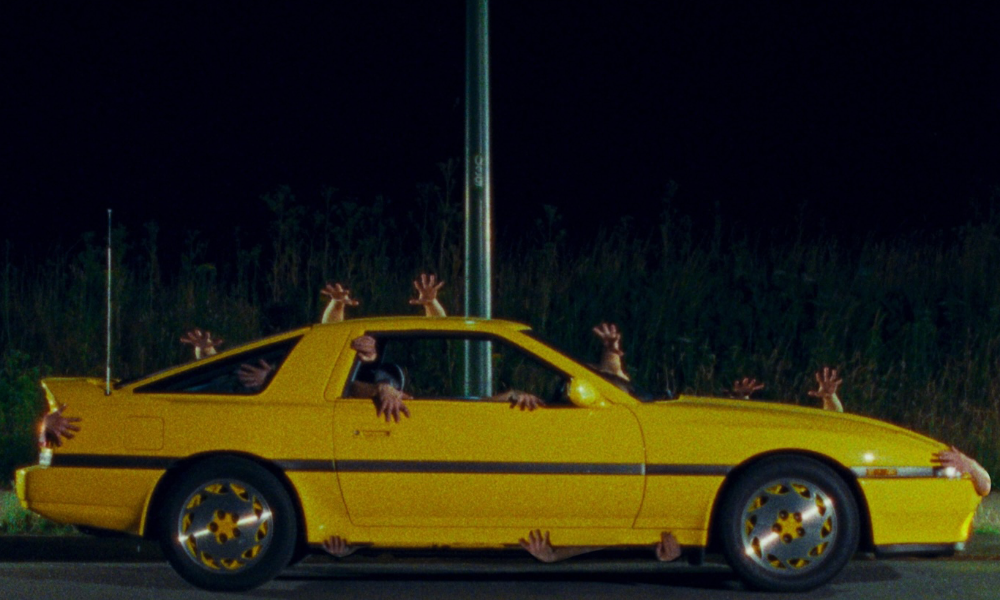
My short film, Every Time I See a Yellow Car, follows two brothers in the aftermath of sexual assault. Olly, who was assaulted, tries to explain how the experience follows him everywhere, comparing it to their childhood yellow car game: once you start noticing yellow cars, you see them everywhere. But, for his older brother Liam, that same image becomes a constant reminder of his desire for revenge. A game they played together becomes a shared trigger, fuelling a cycle of violence in which Liam’s idea of protection ends up causing further harm.
When I was younger, like most British kids, my sisters and I would play the game Yellow Car on family car rides. It’s a simple game – if you see a yellow car, you shout, “Yellow car!” and possibly, at least in our case, punch your fellow passengers.
Sandwiched between my sisters in the back of our family car, I’d stare out the window, wide eyed, waiting for my moment.
Whack! “Yellow Car!” A punch to the shoulder. Then another, for the same car. “Didn’t say no returns,” my sister would shout gleefully. The rules become more complex: two punches for a Mini, saying “padlock” means no returns, buses and vans don’t count, a gold car is a high five.
The rules and rituals of the game created a playbook for long road trips; an organised form of violent consent. And, like in my film Every Time I See a Yellow Car, the rules of this game were often bent by the fury of a child desperate to land the final blow. What usually started from boredom and play quickly led to a small act of revenge.
I’d always thought of the yellow car game as a visual representation for frequency bias; how, once something acquires significance, you begin noticing it everywhere. An ordinary object becomes difficult to escape. But another part of the game has come into focus: the permission it gives us to be violent, and what happens when we assume that permission still stands. Every Time I See a Yellow Car is arguably a film about consent, or the lack thereof, and violence as a ritual that exists from childhood all the way to adulthood.
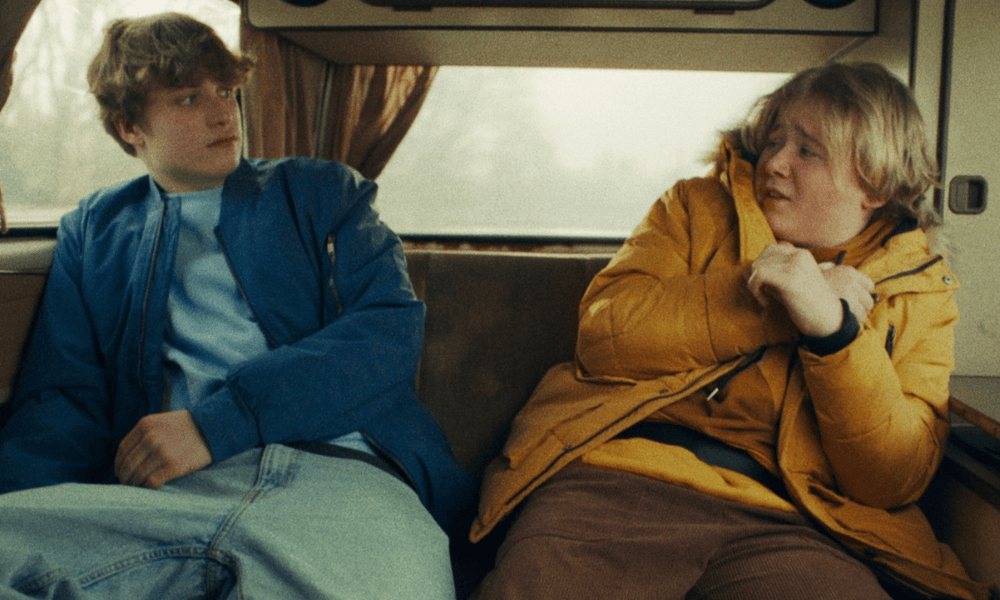
I don’t want to overanalyse a kids’ game or make it something sinister. Most of the time, when we played in the back of our parents’ car, the game resulted in a fist shaped bruise on the arm and a firm telling off. It didn't excuse violence through gameplay, or allow us to think of violence as something we could get away with, but it was an early experience of how we often implicitly give, receive and accept violence in our lives as something inevitable.
In Every Time I See a Yellow Car, when brothers Liam and Olly try to understand each other in adulthood after an act of sexual violence Olly experiences, they return to this shared understanding of how to display love; through the assumed consent to commit violence. Liam’s desire to protect Olly allows him to justify his own violence. He sees it as an act of love, even while it creates further harm. His certainty about his intentions stops him questioning what his brother actually needs.
Familiarity can help us understand boundaries, but it can also make us assume we no longer need to ask for consent – consent in the sexual sense, but also in the way we speak and act on behalf of others.
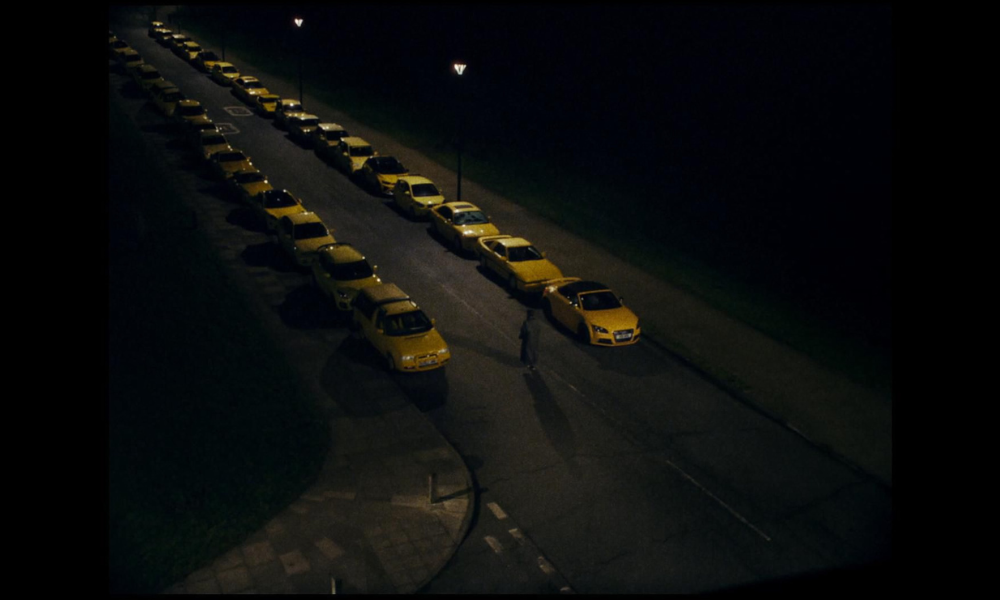
One thing I find true in my own relationships, with my sisters, my parents, my friends, is that we often display love in the way we hope to receive it. Some people perceive offering care as an act of fixing something, of finding solutions, while others find that empathy and a listening ear is the best way they can try and make things right. Unfortunately, in some circumstances, the problem can’t be fixed so easily. In others, being a listening ear can make you ultimately feel powerless. For Olly, the former is what he implicitly asks for, and for Liam, the latter is the weight he carries through the film, when being a good listener means inaction in the aftermath of his brother’s sexual assault.
The yellow car game begins with an agreement, however loosely understood. Its rules can be argued over, amended or withdrawn. Adulthood asks us to keep having those negotiations, even with the people we think we know best. What does protection mean to you? What do you need from me? And do you want me to do anything at all?
—
Every Time I See a Yellow Car is BIFA, BAFTA and Oscar Longlisted and is continuing its international film festival run. It will be available online in early 2027. For more information on how to watch, email everyyellowcar@gmail.com, or keep up to date on the film, follow us @everyyellowcar.