
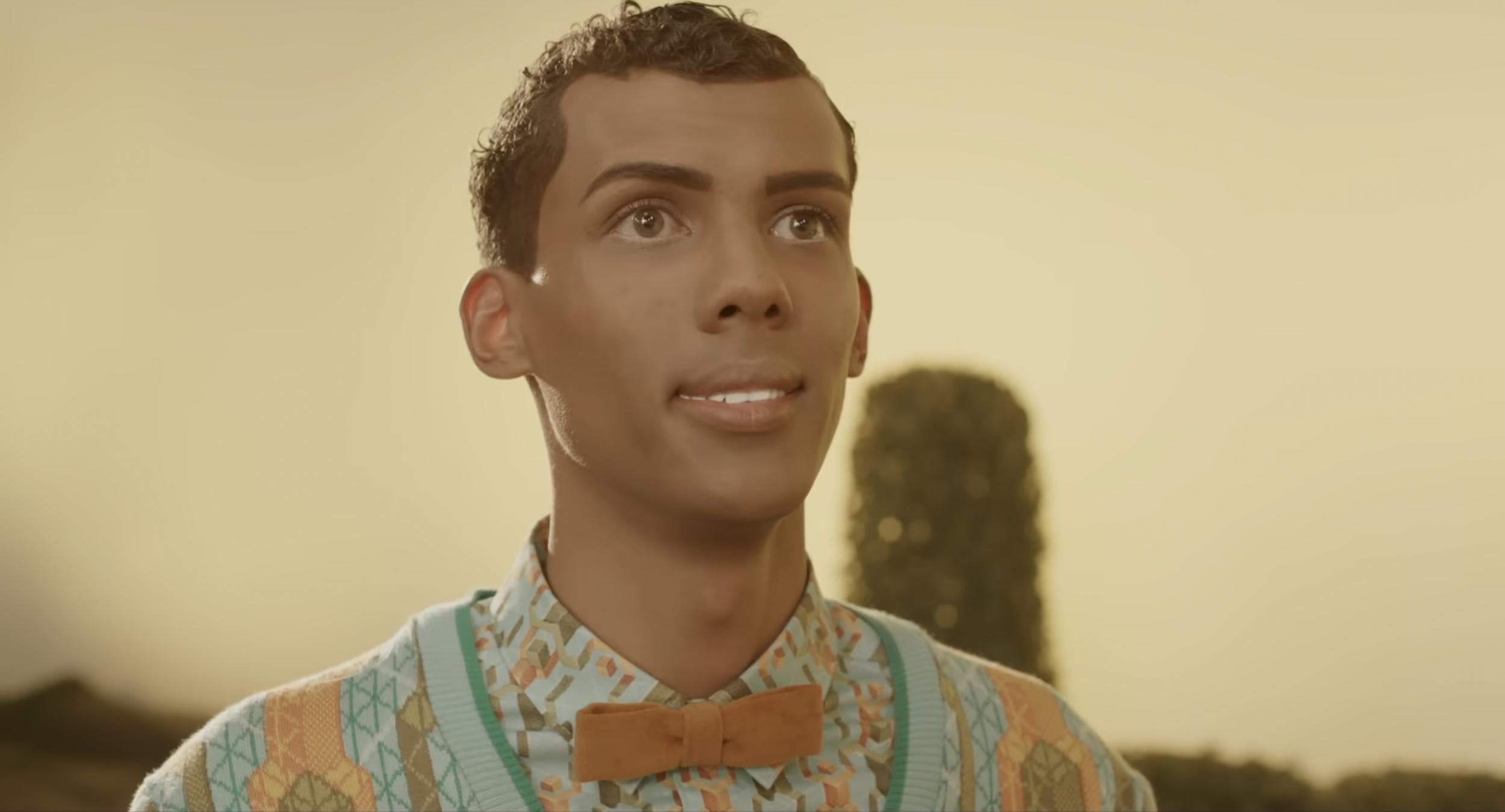
the storytelling of stromae
Pt. i
Marion Motin, choreographer
In this series we’re exploring the music videos of Belgian music artist Stromae through conversations with some of his brilliant collaborators. At Short Stuff, we are constantly expanding and experimenting with the parameters of what short film is. Stromae’s videos are heavy on narrative storytelling and visionary filmmaking – to us, they’re forms of short film. We’re so excited to share insights from those who have helped him create these works, including various directors and, in this first piece, his awe-inspiring choreographer, Marion Motin.
5 Dec 2025 | Molly Lipson
Marion Motin is a French dancer and choreographer with roots in the hip hop world. She is renowned for her own work, including her solo show Massacre, as well as choreographing for companies like the Rambert Dance Company. She performed on the MDNA tour alongside Madonna in 2012 and has choreographed for artists including Christine and the Queens, Angèle, Dua Lipa and, of course, Stromae.
Motin has worked on many of Stromae’s videos and live performances, including Papaoutai, Tous les Mêmes, Fils de Joie, his Jimmy Fallon performance and his Racine Carrée tour.
Here, she speaks to Short Stuff about the intentional use of dance and choreography in Stromae’s videos and how it factors into their shared artistic vision.
Short Stuff: How did you come to work with Stromae?
Marion Motin: We met sort of accidentally as a friend of mine asked me to step in on a TV job she could no longer do. The artistic director of the TV show was Stromae’s artistic director and he then asked me to help with the Papaoutai video. I had just finished touring with Madonna and I was like, I don't want to do choreography behind an artist any more, no one gives a fuck about the backing dancers! Stromae was very open to that idea and he wanted the dance to be very efficient and involved. If there’s dance, it’s because it has a purpose, it’s not just for the sake of it. He and I had the same expectation and vision, and so it was really easy working together.
SS: How did you approach creating choreography for Stromae?
MM: The first time we worked together, I didn’t want to come with the routine already done. I had the feeling that I needed to wait and to see how he moved, I needed to meet him in dance, in his body language. Sometimes he was trying to do something and thinking about it too much. I was like, dance is not about thinking and projection, you just need to be there and to do it. I said, be who you are and just go with it because you're beautiful and you have a great power moving just as you feel. As we’ve continued working together, I’m always coming up with the choreography based on what I know of how he moves and dances. It means I can create something that I like, but that’s specifically for him and is my interpretation of the way he moves. It's a perfect collaboration. When we rehearse together, I show him the steps but he’s always able to say if he doesn’t feel comfortable with something, and then we re-work it.
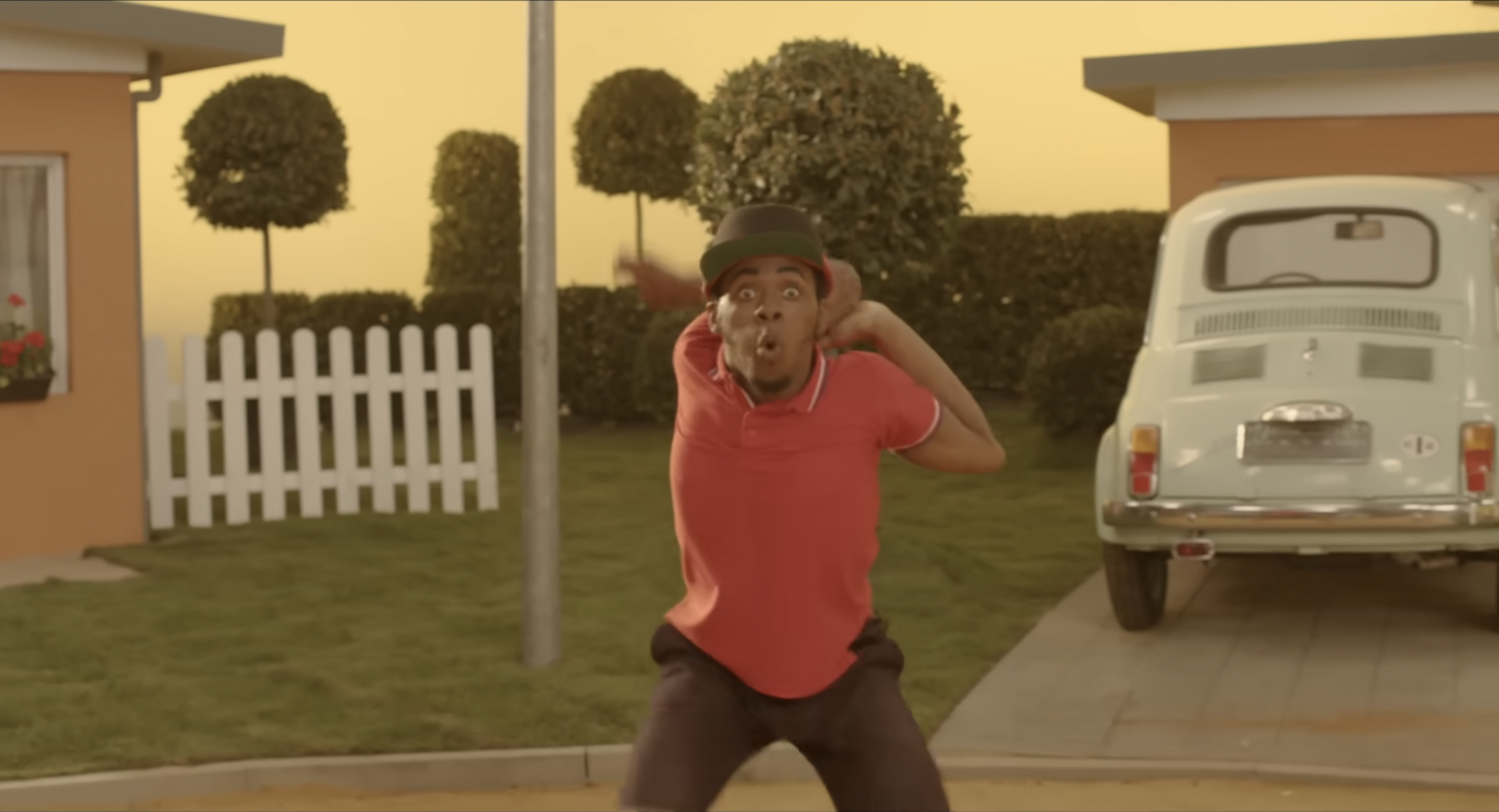
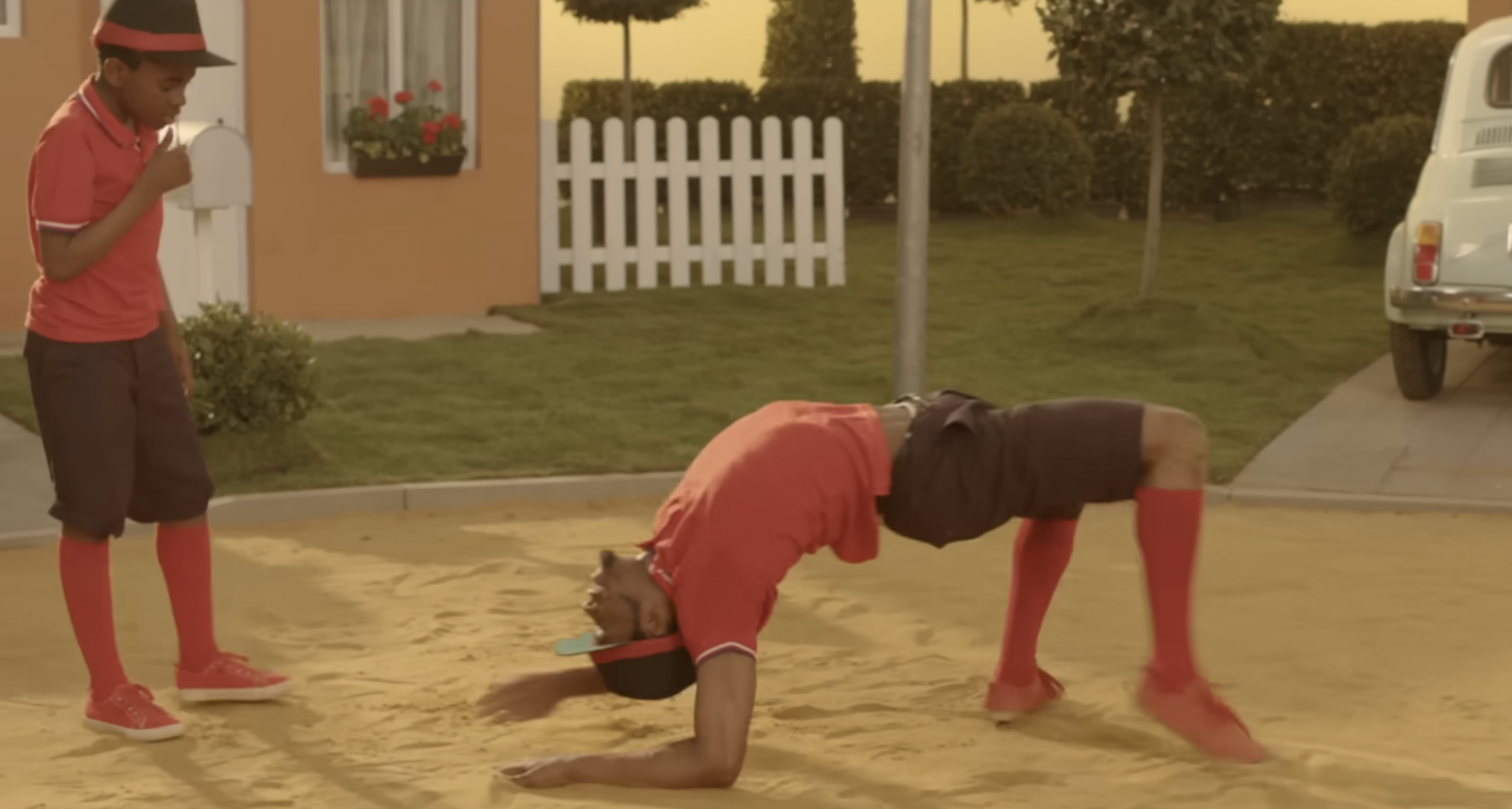
SS: In Papaoutai you worked with Ceasare Willis aka Tighteyex, the king of krump. What was that like?
MM: For Papaoutai I did the choreography for Stromae and the young boy, but of course working with some of the other dancers there was no way I could choreograph for them. With Tighteyex for example, we really wanted him in the video because he's the master of Krump, but I’m not a krumper so there’s no way I could have choreographed for him. I was helping with coordinating, and I had Grichka Rootz, a French krumper, there to help me and he took the lead on supporting with the choreography itself. As a dancer from the hip hop community myself I was really proud, really, really proud, to have that calibre of dancers in the first music video I worked on with Stromae.
SS: You’ve worked together on so many projects, do you have a favourite?
MM: Oooh, I don't know! It's so different every time. I mean, Santé was very particular. It was one of my first jobs after Covid and I was working with non-professional dancers. It was so interesting and fun seeing these people just dance, and they were so good at it! Tous les Mêmes was great too, because there were lots of dancers. That was directed by Henry Schofield, and he's crazy because he's such a hard worker, we were shooting until 3am, but it was so much fun and I loved the concept of that video. I guess it’s hard to pick a favourite moment because it's always different and I'm always learning something and having a good time with good people. Paul surrounds himself with good people – his wife, his brother, the team, everyone is great.
SS: What have you learnt from working with Stromae?
MM: Working with Stromae has helped me to understand how important the the vision you have as an artist is. He holds such a strong vision of the whole project, he knows what he wants not just in the music and the performance, but in the costume, the story, the overall image of the piece. Now, when I'm thinking about a project for myself, I'm thinking about the lighting, the setup, the scenography, the costume, the music. To me, this is what makes the difference between a singer and an artist.
SS: How has your work together changed or stayed the same over the years?
MM: Every time we had a big break in between projects and would then start working together again, it was like nothing had changed. It's very easy to work with him because once he trusts someone, he trusts them. He has a vision, but when he trusts you, he’s super open to collaboration as well. He's very visionary, so he knows what he wants, but he's open too. His whole approach is, this is what I want, how can you help me get there?
SS: What do you most enjoy about working with him?
MM: He is so authentic and genuine. He’s a real person, not a ‘pop star’. I think that’s a big reason why he’s done so well – not only because his music and his vision is great, but because he's an amazing human. That’s something that goes into all his projects and I think it just takes everything to another level. He works with his full heart and he tales care of everybody around him. No one is beneath him or lesser than him on set, he’s so kind and generous all the time. That's why he's very special to me, too, because he’s a very genuine, very beautiful human, and that makes his art even more beautiful. I'm very proud and very grateful to have crossed paths with him.